Matariki Has Ended… But Our Commitment to Te Ao Māori Hasn't
Matariki is always a special time in our early learning centre. It creates opportunities for reflection, remembrance, celebration, connection and looking towards the future. Our learning spaces become filled with pūrākau, waiata, mahi toi, shared kai and meaningful kōrero as tamariki, kaiako and whānau come together.
But what happens when Matariki comes to an end?
The whetū may no longer be the focus of our learning experiences, the Matariki displays may begin to change and our planning may move towards new interests and inquiries. However, our commitment to Te Ao Māori should not disappear alongside them.
Te Ao Māori is not a season.
Moving Beyond Events and Celebrations
In early childhood education, it can be easy to focus on Te Ao Māori during significant events such as Matariki, Te Wiki o te Reo Māori or Waitangi Day. These occasions are important and provide valuable opportunities to deepen our knowledge and celebrate mātauranga Māori.
However, authentic bicultural practice asks us to go further.
It asks us to consider how Te Ao Māori is woven through our everyday interactions, environments, relationships and teaching practices.
Authenticity is not measured by how many Māori resources we have displayed on our walls or how many activities we can plan during Matariki. It can be seen and felt in the everyday moments within our centre.
It is in the kaiako who naturally uses te reo Māori while supporting a pēpi through their daily routine.
It is in the tamaiti who confidently leads a karakia before kai.
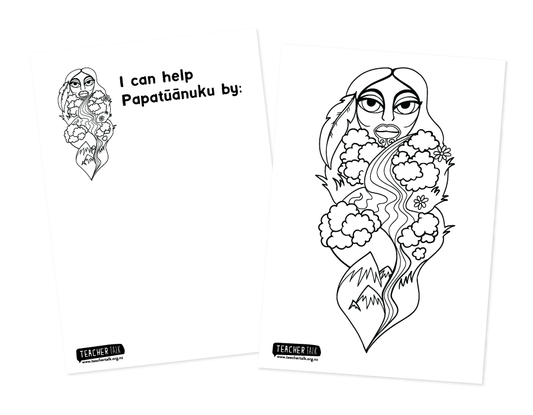
It is in the way we encourage tamariki to care for Papatūānuku and understand their responsibilities as kaitiaki.
It is in the relationships we build with whānau and the time we take to listen to their aspirations for their tamariki.
These everyday moments are where authentic practice lives.
Te Ao Māori in Our Everyday Practice
Continuing our journey means intentionally finding ways to strengthen Te Ao Māori throughout our curriculum.
This might include using te reo Māori naturally during conversations and routines rather than limiting it to planned mat times or a "Māori word of the week".
It means waiata becoming songs our tamariki know, request and confidently sing.
It means pūrākau being shared as meaningful stories that support tamariki to understand the people, places and histories of Aotearoa.
It means recognising the learning that occurs when tamariki explore the whenua, observe changes in the taiao and develop relationships with the natural world around them.
Most importantly, it means recognising that values such as manaakitanga, whanaungatanga, kaitiakitanga, kotahitanga and rangatiratanga are not simply words written within our philosophy or displayed on our walls.
They should guide how we live, teach and lead.
Our Tamariki Deserve More Than Tokenism
As kaiako, we have a responsibility to critically reflect on our own practice.
We need to ask ourselves:
Are tamariki experiencing Te Ao Māori every day?
Do our Māori tamariki see their language, culture and identity genuinely valued within our curriculum?
Are we confidently using te reo Māori, even when we are still learning ourselves?
Are our teaching practices reflecting the bicultural foundations of Aotearoa?
Or do we find ourselves waiting for the next cultural celebration to bring Te Ao Māori back into focus?
Authentic practice requires courage, reflection and a willingness to continue learning.
We may not always pronounce every kupu perfectly. We may need to ask questions, seek guidance and challenge teaching practices that have existed for many years.
But growth happens when we are willing to keep trying, learning and reflecting.
Carrying the Learning of Matariki Forward
Matariki encourages us to look back, acknowledge the present and prepare for the future.
Perhaps one of the most meaningful ways we can honour Matariki is by carrying its learning forward.
We can continue strengthening our relationships.
We can continue caring for our whenua.
We can continue learning and using te reo Māori.
We can continue listening to the aspirations of our whānau.
We can continue creating environments where tamariki know who they are, where they come from and that their identity is valued.
Matariki may have ended for another year, but our journey has not.
Authentic bicultural practice is not a yearly event. It is an ongoing commitment woven through every day, every relationship and every learning experience.
And we will continue to learn, grow and walk this journey alongside our tamariki and whānau.
Kia kaha te reo Māori. Kia kaha Te Ao Māori.