Mother Earth Day in ECE: 10 Ngā Atua Tuff Tray Experiences Aligned with Te Whāriki
Using Papatūānuku to deepen the nature play you’re already doing!
Let’s be real for a second…We are already doing nature play daily. The mud kitchen is going. There’s sticks, leaves, water, bugs everywhere. Tamariki are fully in it.
So the question isn’t: “What activity can we do?”
It’s more like: “How do we make what we’re already doing more meaningful?”
That’s where bringing in Papatūānuku (and ngā atua more broadly) actually changes things.
Not by adding more…but by shifting the way we frame the play.
Why tuff trays work so well for this
Tuff trays are perfect for this kind of learning because they:
- create a clear, intentional setup
- slow tamariki down (in a good way)
- make it easier for us to see the learning happening
They basically become these little worlds where you can bring te ao Māori into the play in a way that feels natural — not forced.

10 Ngā Atua Tuff Tray Ideas for you to try!
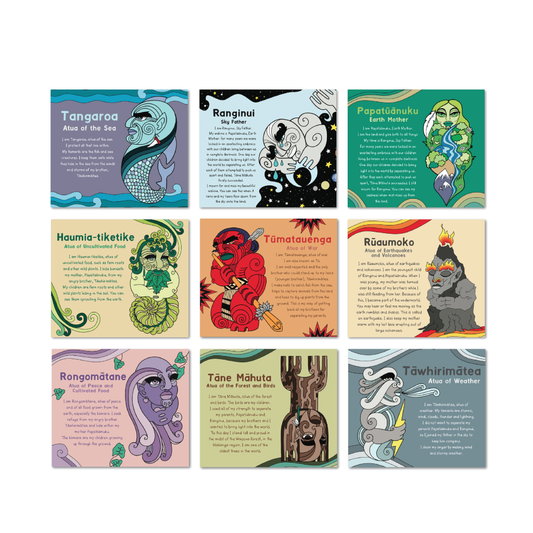
These are all using our Nga Atua Resource which you can get here
1. Papatūānuku Earth Systems Tray
What it looks like:
Soil, moss, bark, stones, a bit of water running through
What usually happens:
Digging, mixing, building… chaos (the good kind)
Where you can take it further:
Instead of just “playing with dirt,” start noticing the connections.
👉 “Where is the water going?”
👉 “What happens when it mixes with the soil?”
Ngā Atua: Papatūānuku
Te Whāriki (easy link for planning):
- Mana Aotūroa — exploring how things work
- Working theories about the natural world
2. Planting & Care Tray
What it looks like:
Seeds, soil, spray bottles, little pots
What usually happens:
Planting… then forgetting about it 😅
The shift:
Bring it into your daily rhythm.
👉 “Should we check on these today?”
👉 “What’s changed since yesterday?”
Ngā Atua: Papatūānuku + Tāne Mahuta
Te Whāriki link:
- Mana Tangata — contributing through care
- Mana Aotūroa — noticing change over time
3. Land + Water Tray
What it looks like:
Half soil, half water, with channels
What usually happens:
Pouring. Flooding. Repeating.
The opportunity:
Let them problem-solve instead of stepping in.
👉 “How could you get the water over there?”
Ngā Atua: Tangaroa
Te Whāriki link:
- Mana Aotūroa — reasoning, experimenting
4. Mini Beast Habitat
What it looks like:
Leaves, bark, little hiding spaces
What usually happens:
Lots of excitement, maybe a bit of rough handling
The shift:
Bring in care, not just curiosity.
👉 “This is part of Tāne Mahuta’s world — how do we look after it?”
Ngā Atua: Tāne Mahuta
Te Whāriki link:
- Mana Whenua — connection to living things
- Mana Tangata — empathy and care
5. Natural Pigment Tray
What it looks like:
Crushed leaves, soil, berries, water
What usually happens:
Mixing, experimenting, lots of colour play
The opportunity:
Slow it down and notice.
👉 “Where did these colours come from?”
Ngā Atua: Papatūānuku
Te Whāriki link:
- Mana Reo — describing experiences
- Mana Aotūroa — exploring materials
6. Loose Parts Building
What it looks like:
Sticks, stones, bark
What usually happens:
Building… knocking down… rebuilding
The teacher move:
Step back and watch who leads.
👉 Who’s planning?
👉 Who’s problem-solving?
Ngā Atua: Papatūānuku
Te Whāriki link:
- Mana Tangata — collaboration
- Mana Aotūroa — spatial thinking
7. Weather & Erosion Tray
What it looks like:
Soil mound + spray bottles
What usually happens:
Rain = destruction (they love it)
The opportunity:
Bring in prediction.
👉 “What do you think will happen if we add more water?”
Ngā Atua: Tāwhirimātea
Te Whāriki link:
- Mana Aotūroa — developing working theories
8. Kaitiakitanga Tray
What it looks like:
A tray that needs “looking after”
What usually happens:
Sorting, tidying, reorganising
The shift:
Frame it as care, not cleaning.
👉 “How can we take care of Papatūānuku here?”
Ngā Atua: Papatūānuku
Te Whāriki link:
- Mana Whenua — care for environment
- Mana Tangata — responsibility
9. Sensory Earth Tray
What it looks like:
Different textures — soil, bark, stones, grass
What usually happens:
Touching, walking, exploring
The opportunity:
Slow it right down.
👉 “What does this feel like?”
👉 “Which part do you like?”
Ngā Atua: Papatūānuku
Te Whāriki link:
- Mana Atua — wellbeing
- Mana Aotūroa — sensory exploration
10. “Care for the Papa” Tray
What it looks like:
One side cared for, one side not
What usually happens:
Fixing, restoring, comparing
The opportunity:
Let them lead the thinking.
👉 “What’s different between these two?”
Ngā Atua: Papatūānuku
Te Whāriki link:
- Mana Aotūroa — thinking and reasoning
- Mana Whenua — responsibility
Bringing it back to your practice
None of this is about doing something completely new.
It’s about:
- naming what’s already happening
- making the learning visible
- linking it back to Te Whāriki in a way that actually makes sense
And honestly… it just makes your planning, assessment, and whānau conversations so much easier.
If you want to go further
If you want support bringing ngā atua into your programme in a way that feels natural (not performative), our TeacherTalk resources are designed exactly for that.
Mother Earth Day is a great prompt. But this kind of learning? It fits into your everyday practice. Because tamariki aren’t just playing in the environment — They’re learning what it means to belong to it. We would love to see if you try any of these! Let us know!